
Resources
This library is built for procurement and engineering alignment, not general marketing reading. Each article includes decision criteria, risk controls, and practical actions you can reuse in real RFQ and validation workflows.
Read articles in decision order so your team moves from model screening to RFQ quality and then to customization governance without missing critical handoff details.
| Project Stage | Recommended Article | Decision Output |
|---|---|---|
| product | RV Reducer Emergency Stop Torque Rating, Dynamic Braking, and Peak Shock Margin: Sizing to Prevent Pin Shearing, Tooth Indentation, and Fastener Failure | Reusable acceptance criteria and checklists for supplier communication. |
| product | RV Reducer Mounting Tolerances, Pilot Runout, and Bolt Preload: Preventing High Idling Drag, Noise, and Bearing Spalling | Reusable acceptance criteria and checklists for supplier communication. |
| product | RV Reducer Thermal Rating and Duty Cycle (ED%) Sizing: Preventing Overheating, Grease Breakdown, and Seal Failure in 24/7 Automation | Reusable acceptance criteria and checklists for supplier communication. |
You can also filter by buyer intent in our product, company, and news categories.
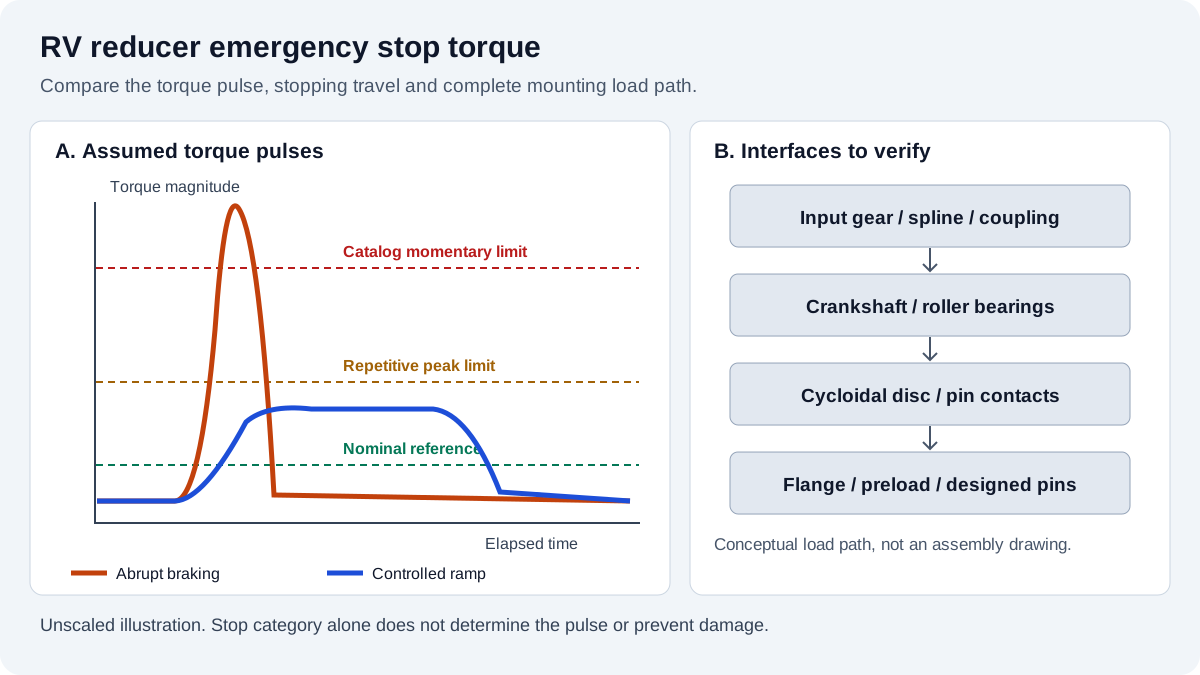
Check RV reducer emergency stop torque, dynamic braking, and peak shock margin with a worked example and supplier checklist. Prepare your engineering RFQ.

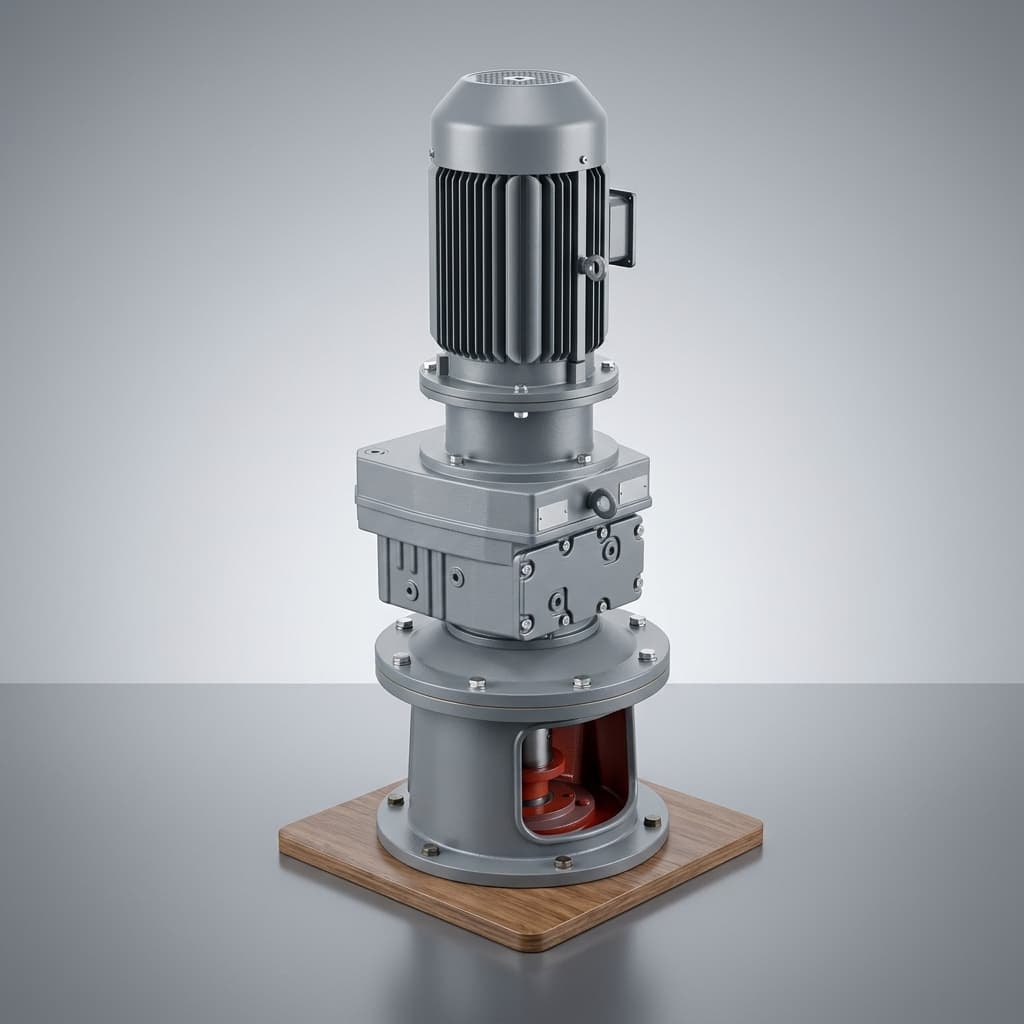
Review RV reducer mounting tolerances, pilot runout and bolt preload with inspection steps, a worked slip calculation and a FAT checklist. Plan your RFQ review.
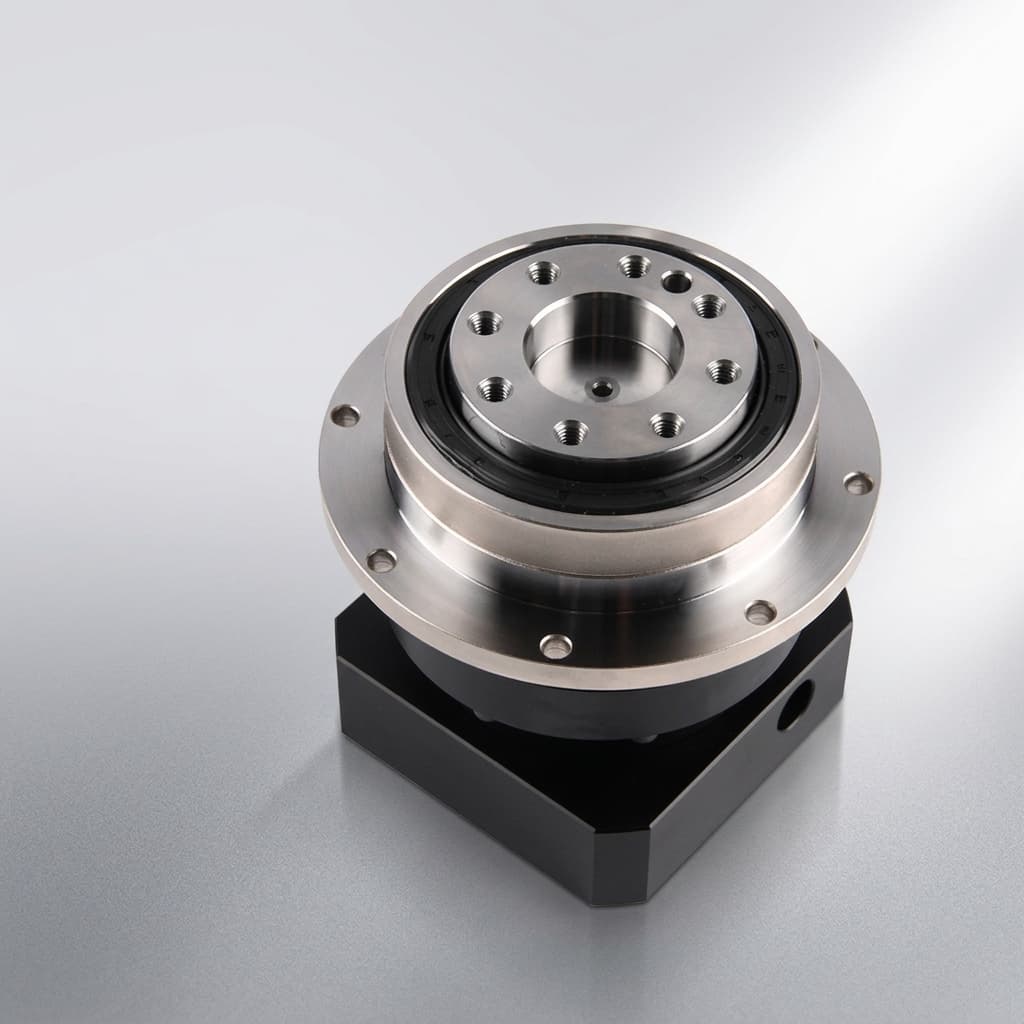
Check RV reducer thermal rating and duty cycle (ED%) with a worked heat-loss example, lubricant limits, and a practical FAT checklist. Prepare your engineering RFQ.
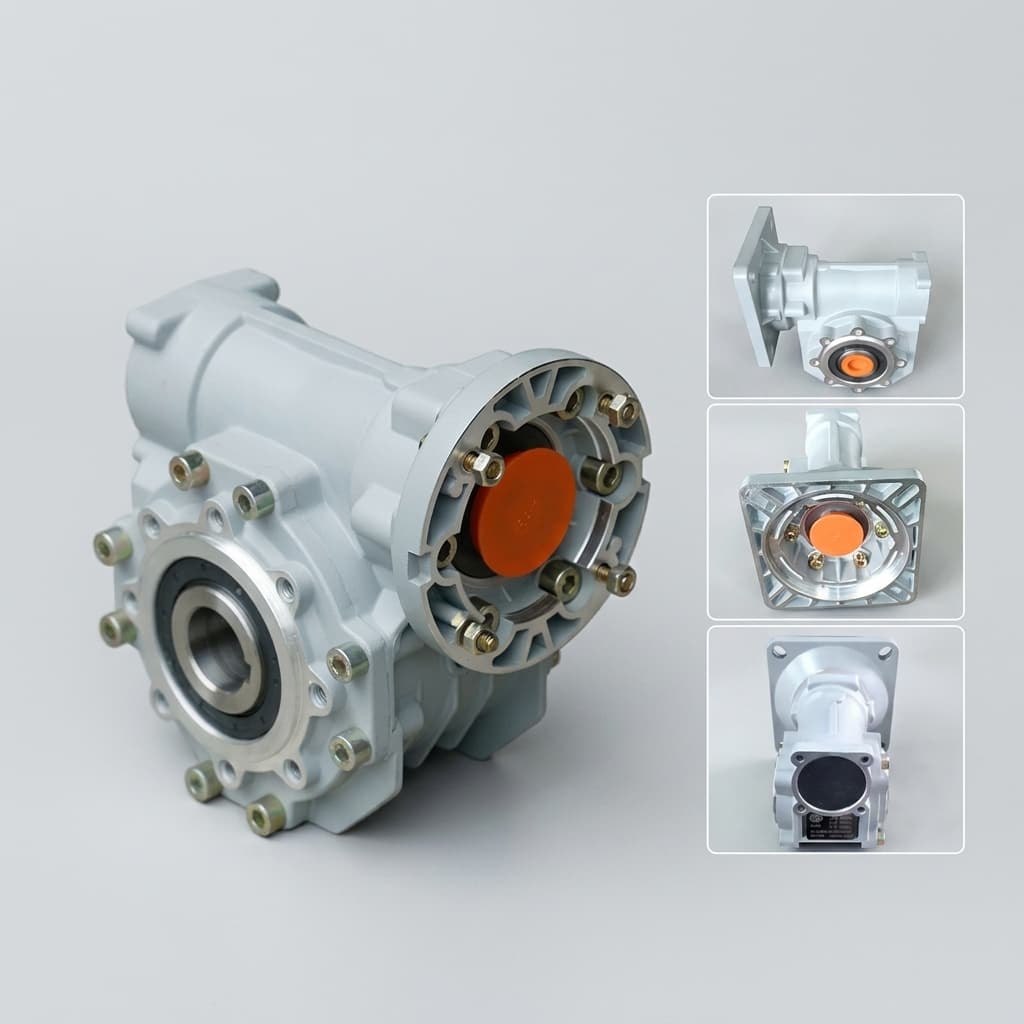
Understand RV reducer lost motion, backlash and hysteresis. Estimate TCP deflection, compare test methods, and prepare an engineering RFQ with a FAT checklist.
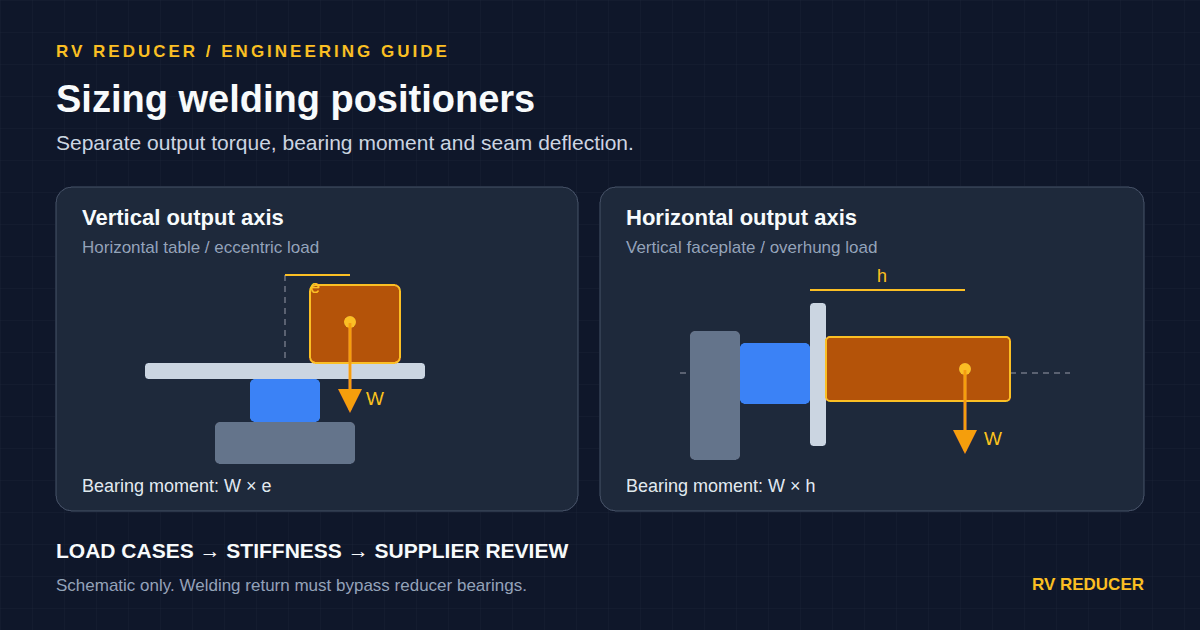
Size RV reducers for welding positioners: compare torque, overturning moment, tilting stiffness and welding return paths. Prepare a complete engineering RFQ.
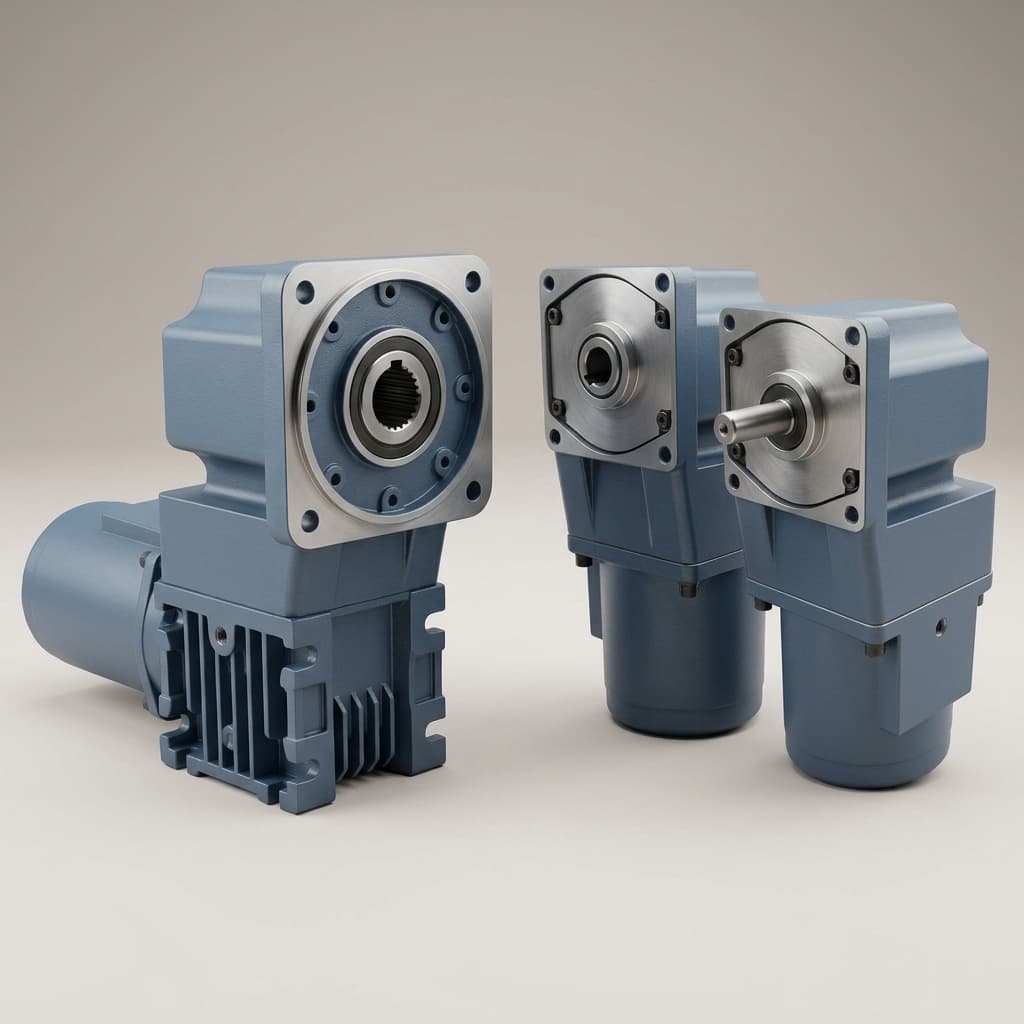
Compare cycloidal vs. planetary wheel drives for 1–5 ton AMRs and AGVs. Check wheel loads, sizing and supplier evidence, then prepare an engineering RFQ.