
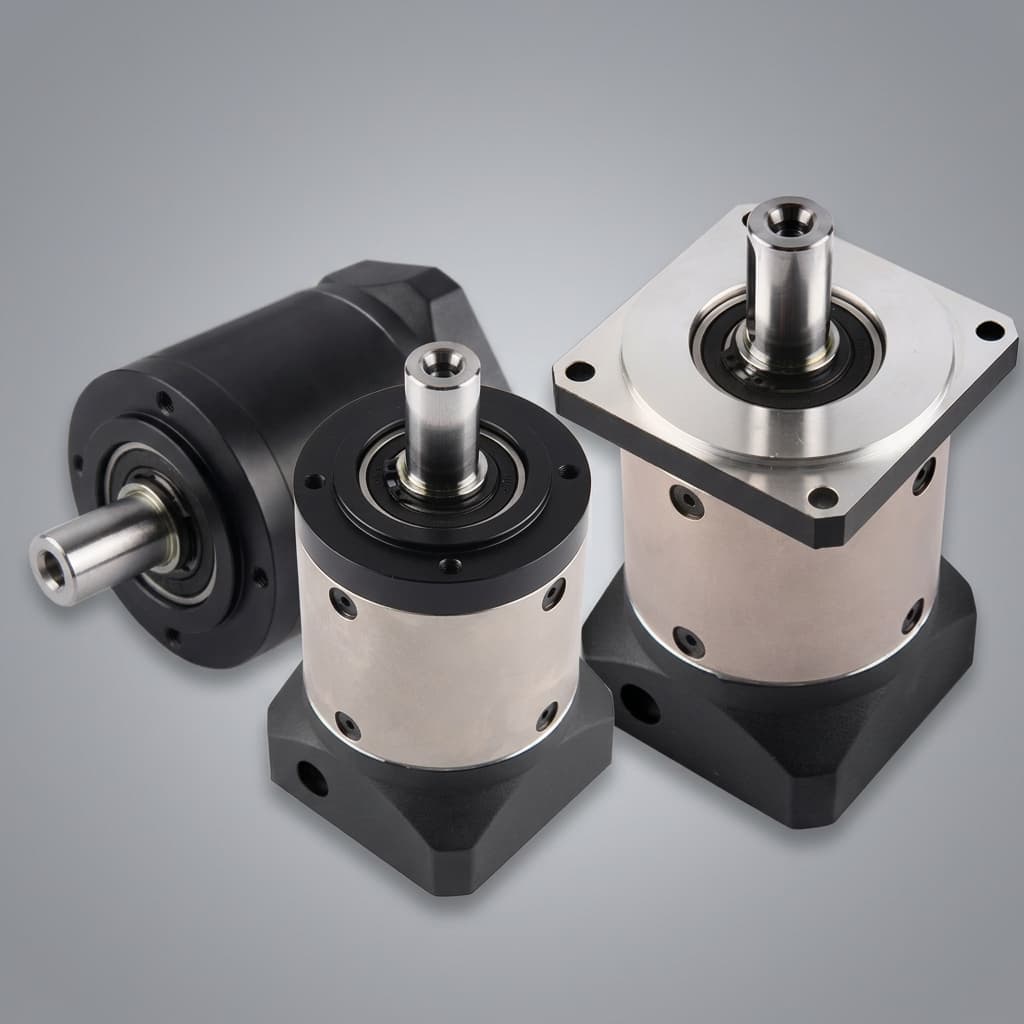
Hollow Shaft RV Reducers: Engineering and Sourcing Guide for Internal Cable Routing
Discover how hollow shaft RV reducers solve high-density wiring challenges in modern robotics. A complete guide on torque ratings, bore sizing, and procurement.
As modern robotics shifts toward higher degrees of freedom, smaller footprints, and increasingly complex sensor payloads, automation engineers face a critical bottleneck: cable management. External routing of power cables, pneumatic lines, and data wires introduces interference risks, restricts joint rotation, and accelerates cable fatigue.
The most effective mechanical solution to this problem is the integration of Hollow Shaft RV Reducers (cycloidal gearboxes). By providing a central thru-hole directly along the axis of rotation, these gearboxes allow engineers to route cables internally, eliminating external snags and enabling continuous, infinite rotation in critical joints.
For procurement teams and engineering managers, transitioning from solid-shaft to hollow-shaft reducers requires careful evaluation. The central bore fundamentally alters the bearing configuration, thermal dissipation, and sometimes the torque density of the gearbox. This guide breaks down the engineering mechanics, sizing criteria, and procurement strategies for sourcing hollow shaft RV reducers.
[!TIP] Key Takeaways
- Cable Longevity: Internal routing significantly reduces torsional stress on cables compared to external wrap-around methods.
- Footprint: Removing external cable tracks reduces the swept volume of the robot arm, crucial for confined manufacturing spaces.
- Procurement Metric: When evaluating hollow shaft reducers, calculate the ratio of the clear bore diameter to the outer diameter (OD) of the gearbox. High-efficiency designs maximize this ratio without sacrificing torsional rigidity.
[!NOTE] Scope and update basis (published July 24, 2026): This guide is written for global automation OEMs, robot joint designers, and sourcing teams evaluating hollow shaft RV reducers for internal power, pneumatic, and signal routing. It does not replace supplier-specific load-life calculations, thermal validation, ingress-protection testing, or safety certification for a final axis design.
1. The Engineering Pain Point: External vs. Internal Cable Routing
In a standard 6-axis articulated robot or a SCARA system, the end-effector (tooling) requires power, communication (e.g., EtherCAT), and often compressed air.
The Cost of External Routing
When using traditional solid-shaft gearboxes, cables must be routed along the outside of the manipulator arm.
- Snagging Hazards: External cables can catch on safety fences, fixtures, or the workpiece itself.
- Restricted Motion: To prevent ripping the cables, the joint rotation is often software-limited to ±180° or ±270°.
- Cable Fatigue: According to continuous-flex and torsion cable selection guidance, motion profile, bend radius, and torsional movement drive cable construction choices. External routing forces cables to bend at varying radii, accelerating copper work-hardening and jacket failure.
The Internal Pass-Through Advantage
By passing cables through the dead center of the joint’s axis of rotation, the cables only experience pure twisting motion rather than complex bending and scraping. This significantly extends cable life and allows for true 360° continuous rotation, a mandatory requirement for many welding positioners, index tables, and delta robot wrists.
2. Mechanical Architecture of a Hollow Shaft Cycloidal Gearbox
Achieving a hollow center in a high-reduction gearbox is not as simple as drilling a hole. It requires a complete redesign of the internal torque-transmission architecture.
In a standard RV reducer, a central input pinion drives the spur gears that turn the eccentric crankshafts. To create a hollow center, engineers must shift the power input.
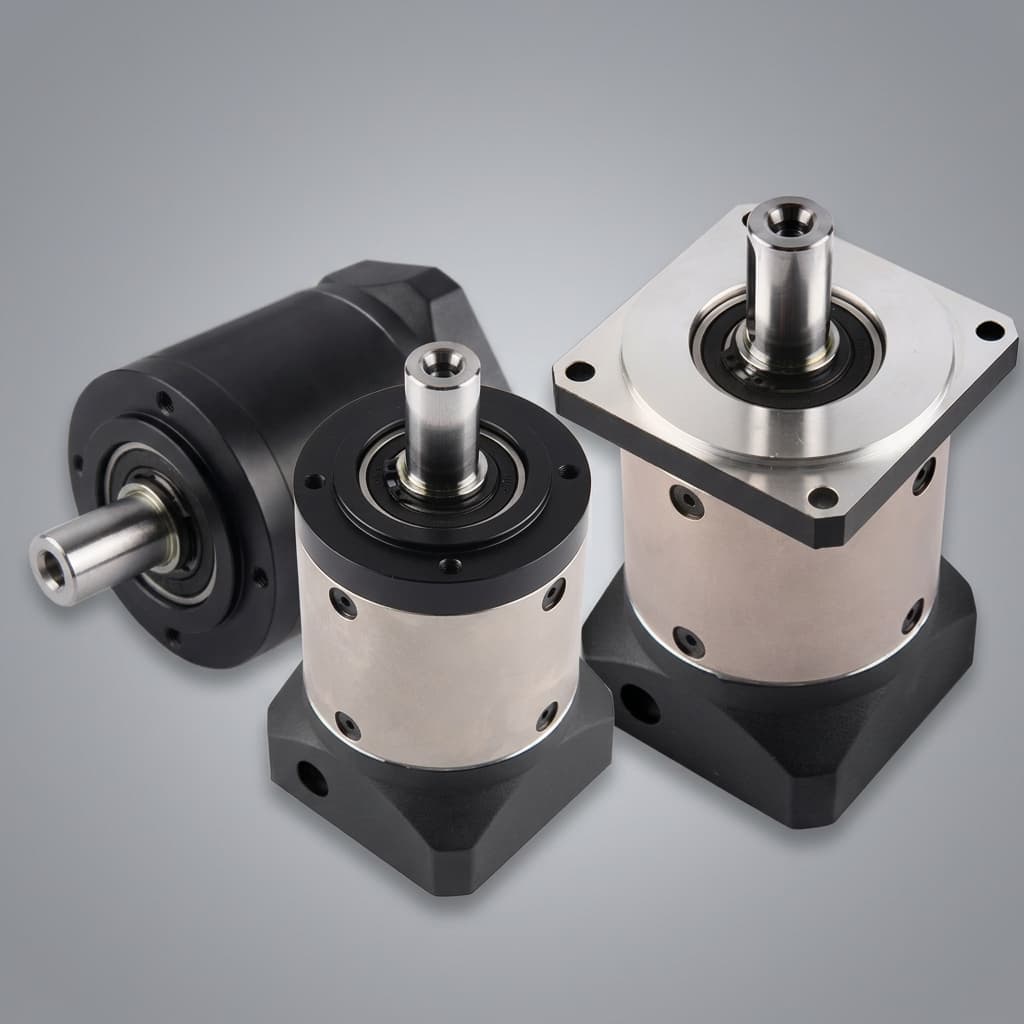
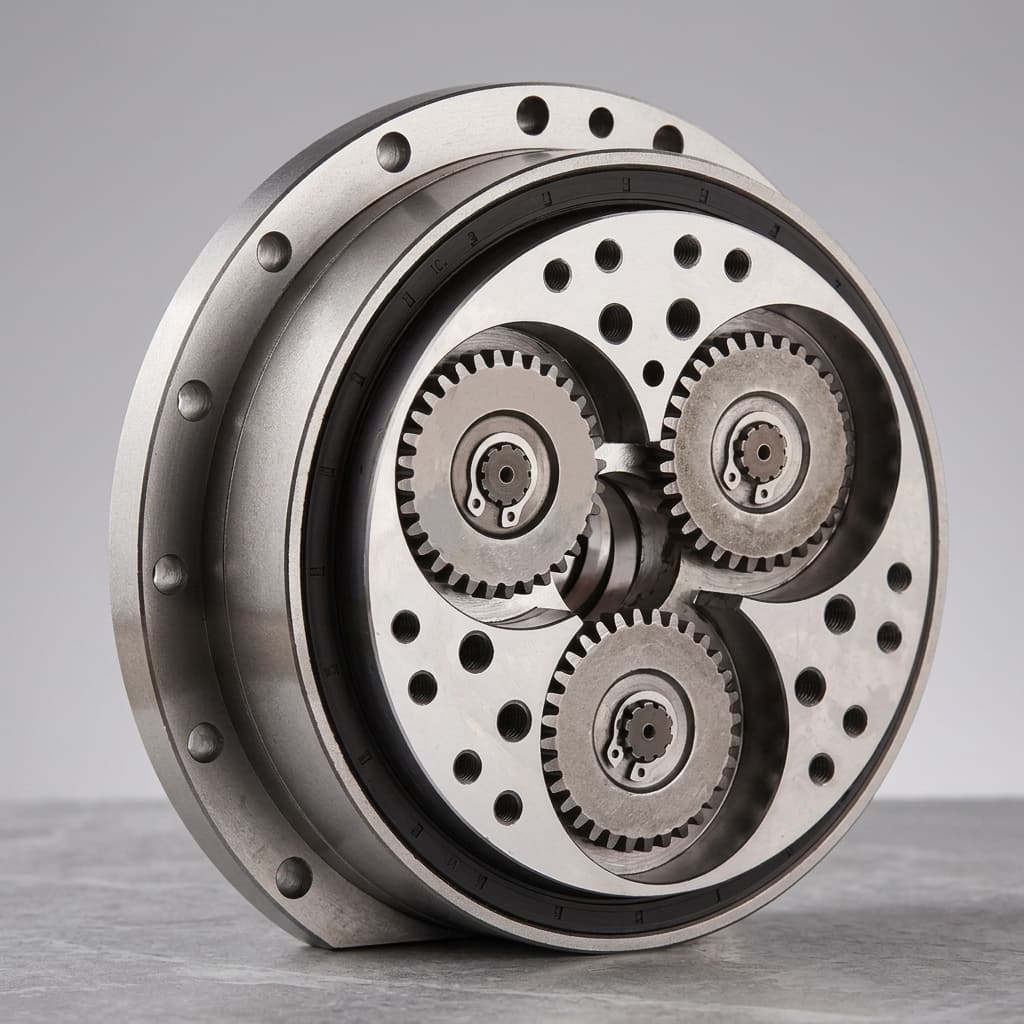
The Off-Center Input Design: Hollow shaft RV reducers typically use a large main gear ring driven by an off-center input pinion. The eccentric crankshafts are distributed around the perimeter of the hollow bore. The cycloidal discs themselves are manufactured with a large central cutout to accommodate the pass-through tube.
Standard Solid Shaft RV
Hollow Shaft RV Reducer
This perimeter-driven design requires specialized angular contact main bearings to support high moment loads despite the large inner void. Nabtesco RV-C product data describes hollow-shaft RV reducers with integrated angular contact bearings, which is why bearing support is critical to maintaining reducer stiffness.
3. Engineering Checklist: Sizing a Hollow Shaft Gearbox
When specifying a hollow shaft RV reducer, engineers must account for several parameters beyond simple torque calculations. Use this checklist during the design phase to avoid costly integration errors:
- Through-Hole Diameter Verification: Calculate the combined outer diameter of all cables, hoses, and connectors. Add a minimum of 20% clearance space. Cables packed too tightly will bind and sheer against the rotating inner wall.
- Connector Pass-Through: Ensure the clear bore is large enough to pass the connectors (e.g., M12, RJ45), not just the cables. If the bore is too small for connectors, cables must be terminated on the assembly line, severely increasing assembly time and cost.
- Torsional Rigidity Check: Because the material near the neutral axis is removed, ensure the selected model meets your application's stiffness (Nm/arcmin) requirements. Compare the stiffness data directly with the solid-shaft equivalent.
- Sealing and IP Rating: Internal routing can create a path for dust or coolant to enter the joint housing. Verify the IP rating of the hollow shaft's inner rotary seals (usually Viton or NBR lip seals).
- Motor Flange Compatibility: Because the input is off-center, the motor mounting flange is distinct from solid-shaft versions. Ensure your servomotor matches the offset adapter plate and keyway/spline design.
- Thermal Dissipation: Hollow models pack complex mechanics into a thinner outer annulus. Verify that the continuous operating torque does not exceed the thermal limits of the chosen grease.
4. Procurement Impact: Solid Shaft vs. Hollow Shaft TCO
For buyers and supply chain managers, the upfront cost of a hollow shaft reducer is undeniably higher than its solid-shaft counterpart. The complex machining of the hollow cycloidal discs and the large-diameter angular contact bearings drive up manufacturing costs.
However, procurement must evaluate the Total Cost of Ownership (TCO) at the system level.
Comparative TCO Factors
| Sourcing Metric | Solid Shaft RV Reducer | Hollow Shaft RV Reducer | Procurement Strategy / Impact |
|---|---|---|---|
| Initial Capital Cost | Baseline (Standardized) | +20% to +40% Premium | Requires justification via secondary savings in other BOM components. |
| Cable / Harness Cost | Higher (Requires expensive highly-flexible robotic cables) | Lower (Standard industrial cables often suffice due to reduced bending) | Significant BOM savings on specialized continuous-flex cables and external drag chains. |
| Assembly Time | Moderate (External routing requires brackets and tensioning) | Fast (Straight pass-through, provided bore fits connectors) | Lowers factory labor costs per robot unit built. |
| Lead Times | Short (Often off-the-shelf) | Medium (Sometimes built-to-order depending on ratio) | Requires tighter forecasting and earlier PO placement for high-volume production. |
| Maintenance Burden | High (External cables snag, wear, and require frequent replacement) | Low (Internal cables are protected from environment and extreme flexing) | Massively improves the end-user's uptime, increasing your product's market value. |
| Weight | Standard | Slightly Lighter (depending on design) | Minor impact, but can marginally improve payload capacity at the end-effector. |
The decision to source a hollow shaft reducer rarely comes down to the price of the gearbox alone. If a robotic arm requires frequent cable harness replacements in the field, the warranty claims and reputational damage will rapidly eclipse the initial premium paid for a hollow shaft design.
5. Sourcing Guide: Questions to Ask Your Gearbox Manufacturer
When qualifying a new supplier for hollow shaft RV reducers, procurement teams should ask the following technical validation questions:
- "What is the actual clear bore diameter after factoring in inner rotary seals?" Why to ask: Some catalogs list the structural bore size, but internal retaining rings or seal lips reduce the usable clearance by several millimeters.
- "Do you use a fully integrated main bearing, or does the design require external support bearings?" Why to ask: A high-quality RV reducer has an integrated angular contact ball bearing (or cross roller bearing) strong enough to support the external payload directly. Vendor descriptions of hollow rotary actuator reducers emphasize compact assemblies with a central hollow bore for routing cables, tubing, or shafts through the rotation axis, so confirm whether the bearing package is integrated or needs external support.
- "How does the backlash degradation curve look over 10,000 hours of operation?" Why to ask: You need assurance that the hollow architecture does not suffer from premature wear compared to the manufacturer's solid-shaft lines.
- "Can the input pinion offset be customized for our specific servo motor frame?" Why to ask: Since the input is off-center, a mismatched motor plate will require you to machine your own adapter, adding hidden costs to your BOM.
6. Frequently Asked Questions (FAQ)
Q: Does a hollow shaft reducer have a lower torque capacity than a solid shaft reducer of the same outer diameter? A: In many cases, yes. Because the central area is empty, there is less physical space for the cycloidal discs and crankshafts. To achieve the same torque rating as a solid shaft model, you typically need to select a hollow shaft model with a slightly larger outer diameter.
Q: Can I run pneumatics and electrical lines through the same bore? A: Yes. However, engineering must ensure that the pneumatic tubing does not chafe against the electrical insulation during rotation. Often, a flexible inner sleeve or conduit is used inside the hollow bore to organize the lines and prevent abrasion.
Q: What is the typical reduction ratio available for hollow shaft models? A: Because of the off-center input stage (usually a spur gear reduction), hollow shaft RV reducers commonly offer ratios between 50:1 and 250:1, making them highly suitable for primary robotic axes.
Q: Is lubrication more difficult with a hollow shaft design? A: High-quality RV reducers are factory-sealed with specialized grease. While the geometry is different, the maintenance intervals (typically around 20,000 hours depending on duty cycle) are similar to solid shaft models. Make sure the supplier provides clear locations for grease zerk fittings.
7. References
- SAB Cable, continuous-flex and torsion cable selection guidance, accessed July 24, 2026.
- D.P. Brown / Nabtesco, RV-C hollow-shaft reducer product data, accessed July 24, 2026.
- Pelonis Technologies, hollow rotary actuator reducer overview, accessed July 24, 2026.
8. Conclusion
Hollow shaft RV reducers represent a critical step forward in robot joint design, enabling sleeker, more reliable, and infinitely rotating mechanisms. While they carry a higher upfront component cost and require careful engineering verification around bore size and off-center inputs, the system-level savings in cable management, assembly time, and long-term reliability make them an indispensable tool for modern automation.
Are you engineering a new robotic joint that requires internal cable routing? Our team can help you navigate the tradeoffs between bore size, outer diameter, and torsional rigidity.
Explore our catalog of precision Hollow Shaft RV Reducers or contact our engineering team to request 3D CAD models and discuss your specific torque and pass-through requirements.
Author

Categories
More Posts
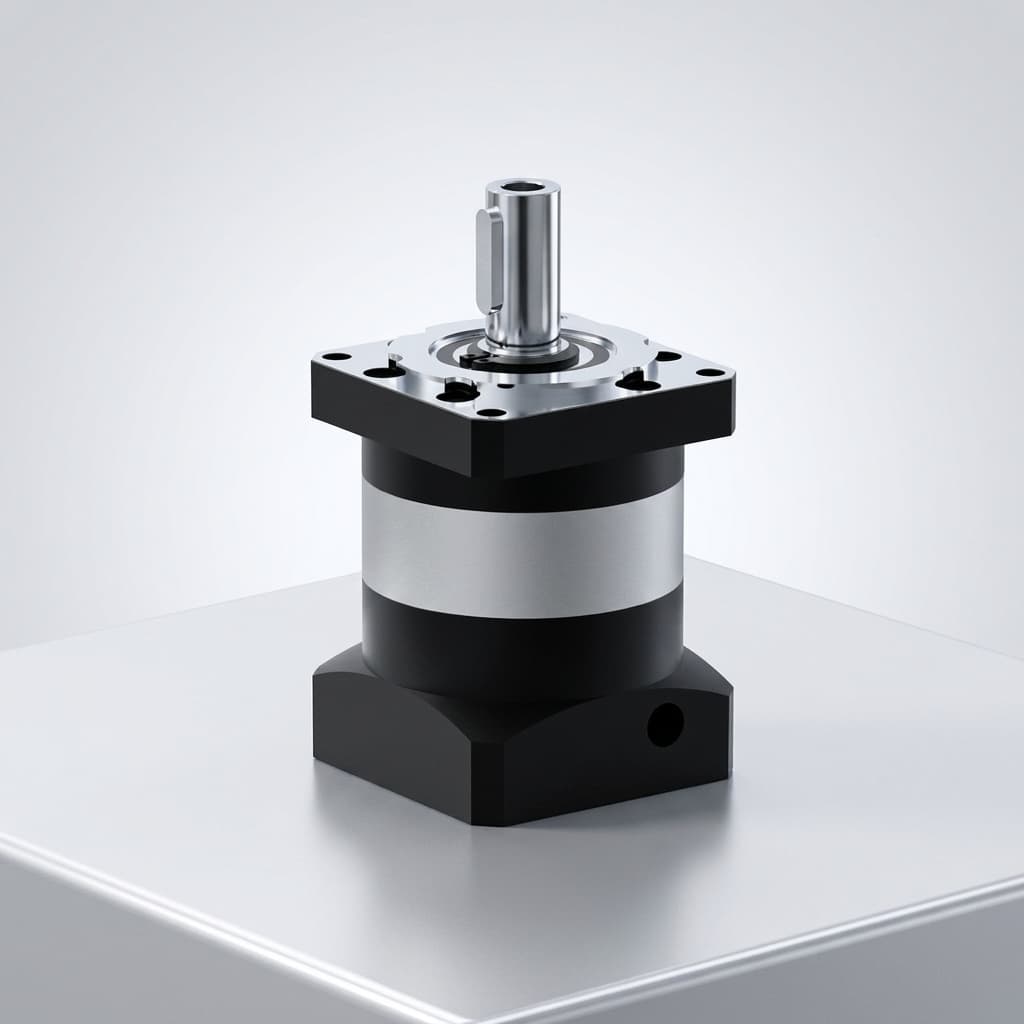
Predictive Maintenance for RV Reducers: A Buyer's and Engineer's Guide to Condition Monitoring
Discover how vibration analysis and thermal imaging can detect RV reducer degradation hours before failure, reducing TCO and unplanned downtime.
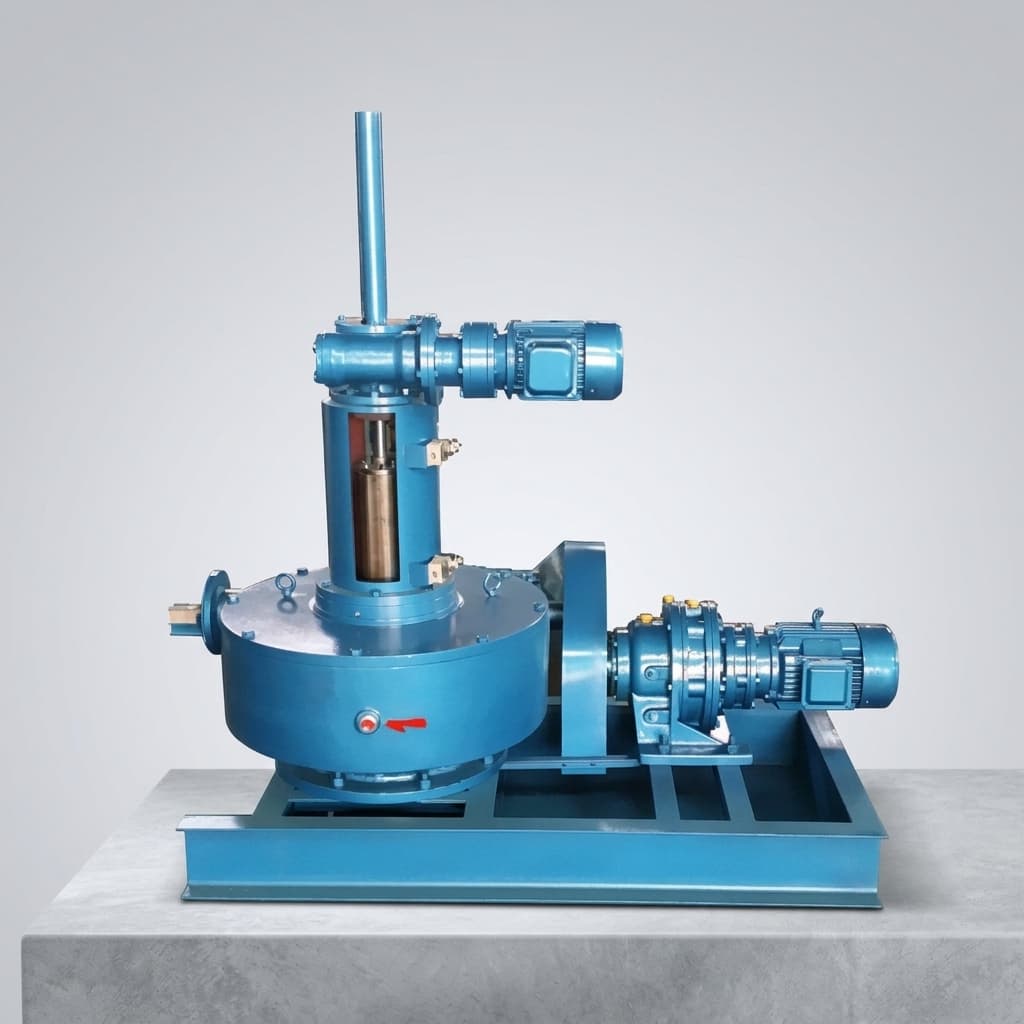
RV Reducer Selection for Heavy-Payload Collaborative Robots (20kg+)
Use this guide to select RV reducers for 20kg+ cobots: compare harmonic drives, torque, stiffness, friction, hollow shafts, and sourcing risks.
Dual-Sourcing RV Reducers: A 2026 Implementation Guide for Heavy Robotics
Implement dual-sourcing for RV reducers in 2026 with engineering checks, supplier validation steps, and sample-data CTAs for heavy robotics teams.